



The localization of in-vitro diagnostic (IVD) raw materials has shifted in 2026 from an industry-internal topic to a direction with clear policy backing. But for reagent developers, what is truly useful is not the general claim that "localization is a trend," but three concrete things: what the policy documents actually say, what procedures material changes must follow, and what to verify when procuring. This article walks through them in that order, for R&D and procurement staff.
Upstream active IVD raw materials have long depended on imports; by 2026 this has moved from a "cost-reduction option" to a "supply chain security requirement." The threefold risks of delivery volatility, passive change management, and slow substitution preparation are the direct reasons localization is raised separately, and they have been validated repeatedly by external disruptions in recent years.
Instruments and reagents have achieved high localization rates after years of development, but upstream active raw materials remain a weak point. The gap concentrates in several areas: diagnostic enzymes, some tumor-marker and hormone antibodies, paired antibodies against special epitopes, and the magnetic beads/microspheres and chemiluminescence substrates used in chemiluminescence. These materials have high technical barriers and long R&D cycles; domestic supply was insufficient early on, so reagent companies relied mainly on imports.
The problems of import dependence are not only cost, but three practical risks: first, delivery cycles fluctuate greatly due to international logistics and customs clearance; second, when a batch changes, the notice period and cooperation mode of the import supplier are often not decided by the buyer; third, when external supply chain disruptions occur, the preparation time for a substitution plan is long.
These risks have been repeatedly validated in recent years, so raw material localization is no longer just a "cost reduction" option, but part of supply chain security.
IVD raw-material-related policies fall into three categories: registration and filing management governs "whether it can be sold," industrial support sets the "independent and controllable direction," and standards/quality systems set the "normative basis." Understanding the division of labor among the three is more useful than memorizing file names.
IVD raw-material-related policy documents are roughly divided into three categories. Understanding this division is more useful than memorizing names.
The first category is registration and filing management. The core documents are the Measures for the Registration and Filing Management of In Vitro Diagnostic Reagents (Order No. 48 of the State Administration for Market Regulation, effective October 1, 2021) and the Regulations on the Supervision and Administration of Medical Devices (State Council Order No. 739, effective June 1, 2021). These documents stipulate: which products require registration, what materials must be submitted for registration, and how to handle raw material changes. They directly affect "whether compliant market entry is possible" and belong to the access threshold.
The second category is industrial support and supply chain modernization. These documents set direction from the perspective of industrial capability, including the "14th Five-Year" Pharmaceutical Industry Development Plan (MIIT joint regulation [2021] No. 217, released January 2022) and policy deployments on enhancing industrial foundation capabilities and supply chain modernization. They do not prescribe specific product registration requirements, but clearly list key raw material autonomy and controllability as a direction, with supporting measures such as industrial park support and "little giant" (specialized and innovative) enterprise cultivation.
The third category is standards and quality systems. This includes national, industry, and group standards in the IVD field, as well as certification requirements such as intellectual property management systems and innovation management capability. These documents affect the degree of standardization of enterprises and are also the verification basis for purchasers when evaluating suppliers.
The relationship among the three can be understood as: registration management decides "whether it can be sold," industrial policy decides "whether someone makes it," and the standards system decides "whether it is made well."

A raw material change must first assess its impact on the registered product, then perform parallel comparison and stability confirmation. "Change first, verify later" carries compliance risk; the verification conclusion and plan should be archived for inspection as a regulatory check basis.
This is the most error-prone step in practice. Many companies change the material first and backfill verification later, which is risky from a compliance standpoint.
When a raw material changes, what needs to be assessed is not only "whether the new material meets performance," but also the impact of this change on the registered product. The three common scenarios and their verification focuses are as follows.
| Change scenario | Typical case | Directions usually to watch |
|---|---|---|
| Same material, different supplier | Same-named antigen or antibody from a new manufacturer | Parallel comparison with the in-use material, batch-to-batch consistency, stability confirmation |
| Material process change | Expression system, purification process, or labeling method changed | Full performance evaluation, including specificity, interference testing, and long-term stability |
| Formula system tweak | Buffer system, concentration, or blocker adjusted | Precision, limit of detection, matrix effect, and accelerated stability |
It must be emphasized: the table above is an industry-common verification approach; what a specific product requires should follow the product registration dossier and current regulatory requirements, and cannot be applied directly. In practice, archive the change assessment conclusion and verification plan as the basis for subsequent regulatory inspections.
One easily overlooked point: the verification cost of changing materials is often higher than the price difference of the material itself. This is also a real reason why domestic substitution advances slowly — not unwillingness to switch, but the verification cost of one switch is too high, so companies prefer to stock several more batches of imported material. To break this cycle, whether the supplier can provide complete batch-to-batch data and verification support becomes the key variable.
The pace of domestic substitution has three tiers: diagnostic enzymes and conventional antigen/antibody are faster, chemiluminescence raw materials are in progress, and paired antibodies against special epitopes remain at the breakthrough stage. Industrial support has one common feature — all require enterprises to have verifiable technical accumulation, not something obtainable merely by filing applications.
From public information, the pace of domestic substitution varies across directions.
Faster progress is seen in diagnostic enzymes and conventional antigen/antibody. Domestic companies have formed scale supply capability in enzyme preparations, and antigens/antibodies for conventional infectious disease screening are largely domestically supplied. These directions feature relatively mature technical routes and stable downstream demand.
In progress are chemiluminescence-related raw materials. The technical difficulty here concentrates in magnetic beads/microspheres, luminescent substrates, and high-sensitivity paired antibodies. In recent years, two directions of investment have increased: first, reagent companies extending upstream to raw materials via M&A or in-house build-out; second, raw material companies increasing GMP capacity building.
Still breaking through are paired antibodies against some special epitopes, high-difficulty tumor-marker raw materials, and stability solutions requiring long-term verification. These directions share the common feature of long verification cycles, making substitution results hard to see in the short term.
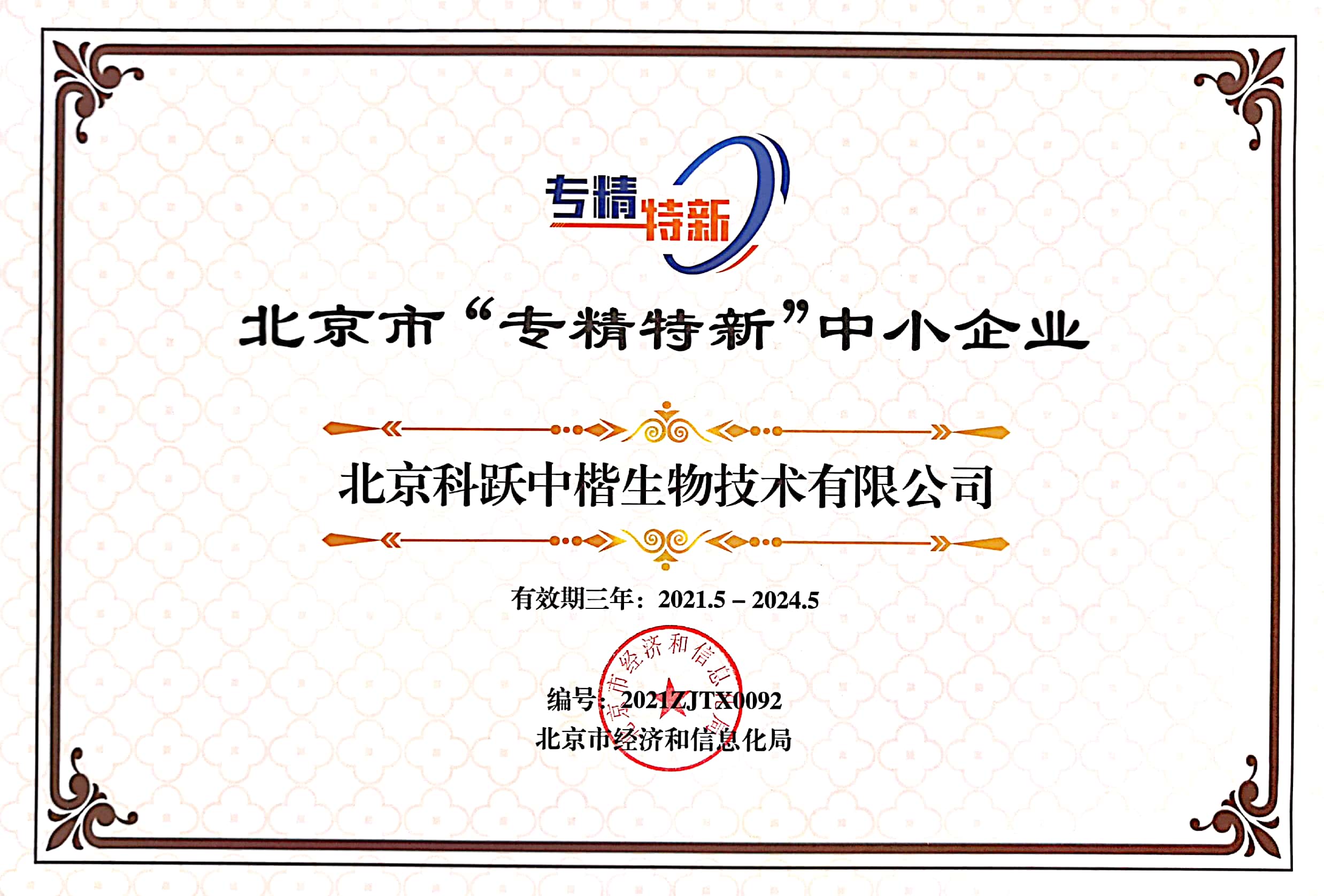
From the industrial support side, the support enterprises can access mainly falls into three categories: first, the "little giant" enterprise cultivation system; second, industrial park and local government special support for the medical device industry; third, standards system building, including opportunities to participate in group and industry standards. These three types of support share one common feature: they all require enterprises to have verifiable technical accumulation, not obtainable merely by filing applications.
When advancing domestic substitution, the procurement step should verify eight items item by item: entity qualification, quality system, batch-to-batch data, platform-specific measured performance, interference/matrix data, traceability support, batch management, and technical response. The first two are initial-screening thresholds; the latter six determine whether verification proceeds smoothly.
If you decide to advance substitution, it is recommended to confirm the items in the table below clearly during procurement.
| Verification item | What to confirm specifically | Why it matters |
|---|---|---|
| Entity & qualification | Full legal name, unified social credit code, production address | Inconsistent entity info affects subsequent batch traceability |
| Quality system | Certification body, certificate number, whether scope covers this product type | If scope does not match the product, the certificate's real effect is limited |
| Batch-to-batch data | At least three batches of within-batch and between-batch variation data | Basic material for judging batch stability |
| Applicable platform & working concentration | Whether measured data exists on your platform, recommended concentration range | Directly determines verification cycle length |
| Interference & matrix data | Heterophilic antibodies, rheumatoid factor, lipemia and other interference items, real-matrix recovery | Main source of post-switch performance fluctuation |
| Traceability & support | Whether matching QC, calibrators, or reference materials exist | Affects the traceability chain of the entire detection system |
| Batch management | Whether same-batch stock is possible, whether batch change is notified in advance | Key to long-term supply stability |
| Technical response | Contact person and response mode when实验 problems occur | Most practical support during substitution verification |
If a supplier's public product catalog labels applicable platforms and relevant catalog numbers, such information can serve as a reference during initial screening. For example, some IVD raw material suppliers (such as Keyue Bio ) publicly provide product materials that label both applicable platform and sample type, which R&D can directly cross-check during initial screening; but the final basis must still be measured data on your own platform.
Substitution should advance in five steps: "category inventory → lock candidate list → complete verification of a single project → replicate the method → retain a second source." The core is to break uncertain verification cost into stepwise digestible pieces, avoiding spreading verification resources thin by launching everything at once.
If you are ready to start substitution, it is recommended to advance in the order below to avoid spreading verification resources thin.
Step 1: First do a category inventory. List in-use raw materials by category, marking each category's import dependence and annual usage. Prioritize categories with large usage and relatively low technical barriers.
Step 2: Lock the substitutable list. For each candidate category, confirm whether domestic supply exists, whether batch-to-batch data can be provided, and whether the supplier is willing to cooperate on verification. After this step, the substitutable scope is clear.
Step 3: First do complete verification of a single project. Do not verify multiple projects at once; pick one with stable usage and a familiar team to run the full process, and fix the verification method and acceptance criteria.
Step 4: Replicate the verification method to other projects. After the first project is run through, subsequent projects can reuse the same method framework, and efficiency improves markedly.
Step 5: Retain a second supply source. After substitution is complete, do not immediately stop the original supply channel; it is recommended to retain a small-batch backup source. The meaning of supply chain security is having a backup, not only one path.
The core logic of this pace is: break uncertain verification cost into stepwise digestible steps. A full replacement at the start often stalls midway due to insufficient verification resources.
The gap between domestic and imported varies by direction: conventional antigen/antibody and diagnostic enzymes are already close, while paired antibodies against special epitopes and long-term stability data still have gaps; whether a switch requires re-registration depends on the nature of the change, and small-batch trial use cannot replace complete verification.
Q: Where is the main gap between domestic and imported raw materials?
A: The gap differs by direction. The gap for conventional antigen/antibody and diagnostic enzymes is already small; for paired antibodies against some special epitopes, high-difficulty tumor-marker raw materials, and the completeness of long-term stability data, gaps remain. It is recommended to compare by specific project rather than笼统 saying "domestic" or "imported."
Q: Must a material switch require re-registration?
A: Not necessarily; it depends on the nature and impact of the change. Changing the supplier of the same material versus a material process change have different impacts on the product and are handled differently. It is recommended to follow the product registration dossier and current regulatory requirements, and communicate with the regulatory authority when necessary.
Q: How to assess the actual cost of a switch?
A: Beyond the material itself, count three blocks: time and labor for verification, samples occupied during verification, and the cost of re-screening if verification fails. In many cases the third block is the largest hidden cost, so the finer the upfront screening, the more saved later.
Q: Can small-batch trial use replace complete verification?
A: No. Small-batch trial use is for initial screening and judging whether the direction is feasible; complete verification must cover performance evaluation, interference testing, and stability confirmation. The two are sequential, not substitutive.
Q: What direct impact does policy support have on the buyer?
A: Mainly indirect. Industrial policy drives supply-side capacity and technical accumulation; what buyers directly feel is more optional suppliers, more complete batch-to-batch data, and faster response. These changes are gradual and will not happen immediately upon the release of one document.
Disclaimer
This article is an introduction to industry policy and procurement methods (as of October 2026), for IVD reagent R&D, manufacturing, and procurement staff. It does not constitute compliance advice, nor does it constitute an evaluation or recommendation of any enterprise. Regulatory requirements referenced herein are subject to currently effective documents; specific products should be evaluated with qualified professional institutions based on their own circumstances. Statements involving disease and detection should follow medical device registration information and relevant compliance requirements.

010-63831545
From Monday to Friday 8:30-17:30
keyuebio@keyuebio.com
3rd Floor, Block A, No. 18, Wangyuan Road, Fengtai District, Beijing