



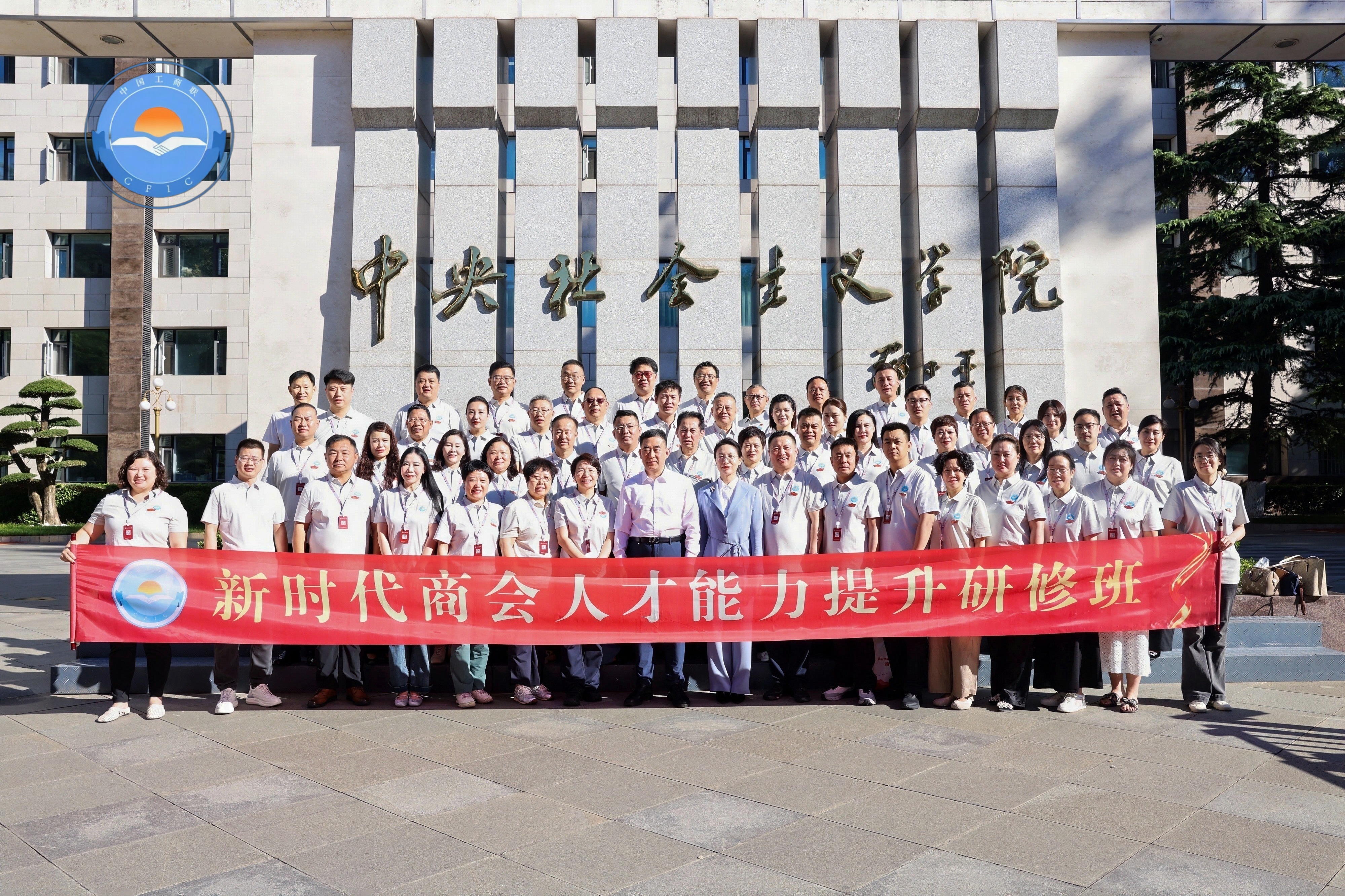
To support the reform and development of chambers of commerce and implement the requirements of the leaders of the All-China Federation of Industry and Commerce on "supporting cross-regional exchanges and cooperation among chambers of commerce and enterprises", and to build a platform for talent exchange, personal growth, industrial connection and project cooperation among chambers of commerce across the country, from September 9th to 13th, The 7th Training Course for Enhancing the capabilities of Chamber of Commerce Talents in the New Era, hosted by the Talent Center of the All-China Federation of Industry and Commerce, was held at the Central Institute of Socialism. Sixty main responsible persons from chambers of commerce across the country attended the training.
Liu Jing, the general manager of KEY-BIO, as the vice president of the Beijing Future Entrepreneurs Promotion Association and the Party branch secretary and president of the Women Entrepreneurs Association of Fengtai District, Beijing, participated in this training course. She was elected as the class monitor of the 7th session. With her solid research and study performance, she was awarded the title of "Outstanding Student" and obtained the "Chamber of Commerce Worker" certificate.
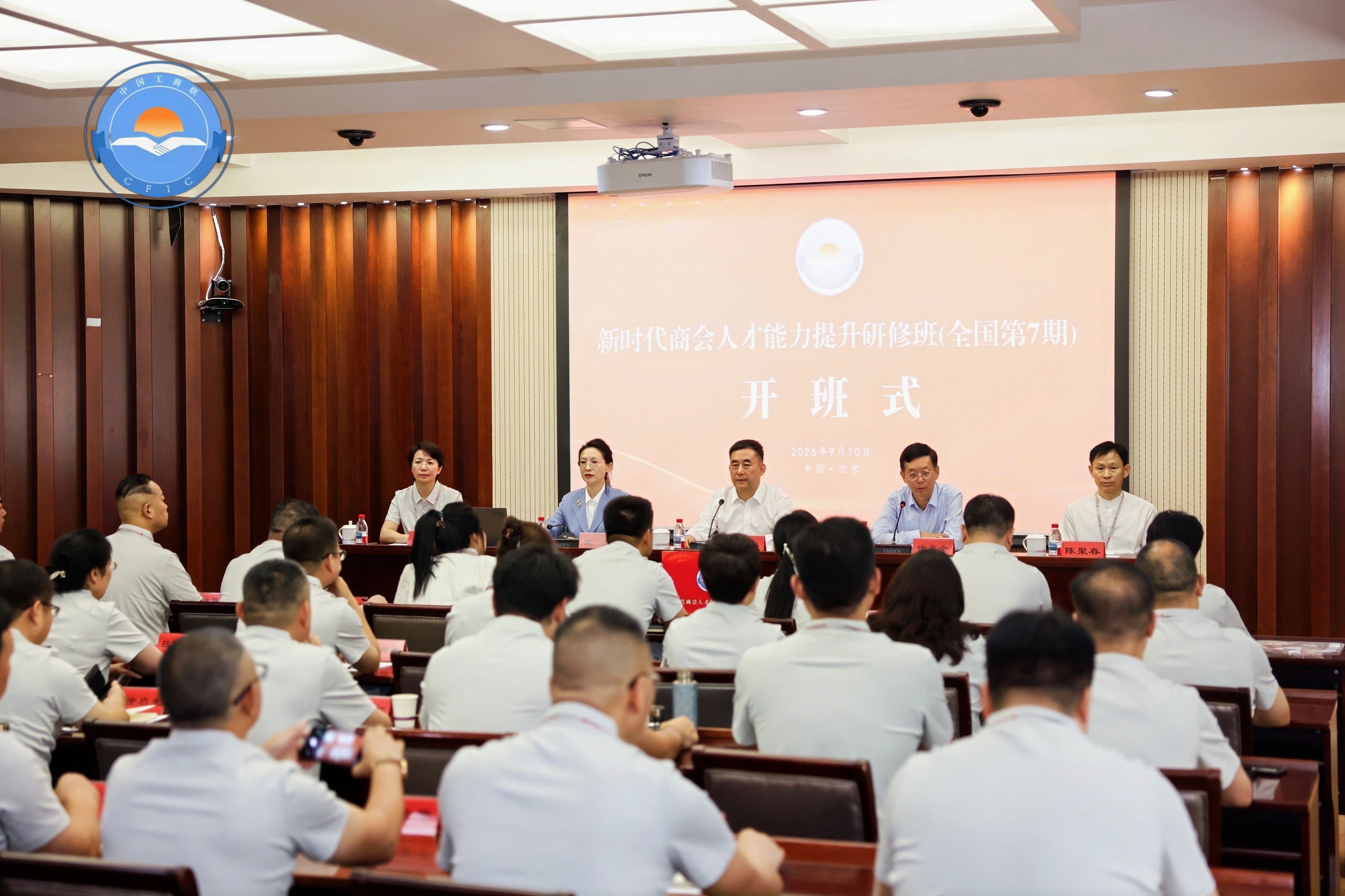
At the opening ceremony, Li Shulin, director of the Talent Center of the All-China Federation of Industry and Commerce (middle of the stage in Figure 2), made a mobilization speech, and Gao Bo, deputy director (second from the left of the stage in Figure 2), presided over the opening ceremony. Li Shulin pointed out that it is necessary to adhere to the original aspiration and mission, and strengthen the ideological awareness of the significant value of chamber of commerce talents in the reform and development of the chamber of commerce. Accurately grasp the situation and tasks, and strengthen the initiative to learn and improve. Strengthen self-management and enhance the sense of participation in research and study.
Xu Yongquan, a member of the Party Group and vice president of the Central Institute of Socialism (second from the right on the rostrum in Figure 2), attended and delivered a welcoming speech. He reviewed the 70-year development process of the Central Institute of Socialism, enhancing the sense of honor and responsibility of the students to study here. It is hoped that everyone will strictly abide by the discipline, cherish the opportunity, and truly transform the learning achievements into practical actions to support the high-quality development of the chamber of commerce and the service industry and enterprises.
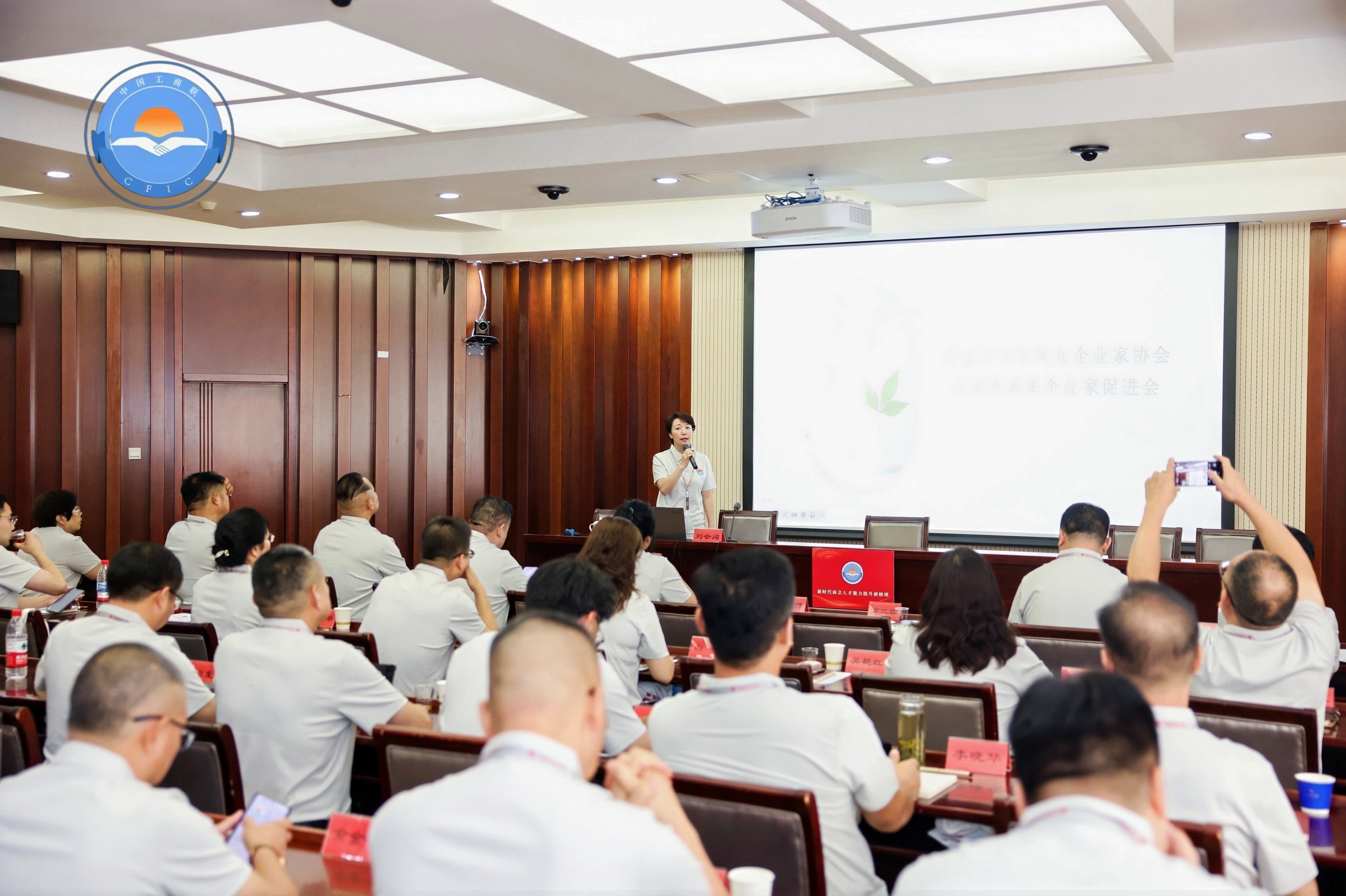
This training course includes: lectures by industry experts on artificial intelligence + private enterprises (chambers of commerce); Comrades from the Social Work Department of the Central Committee of the Communist Party of China, the Ministry of Civil Affairs, and the All-China Federation of Industry and Commerce gave lectures on the standardized governance and internal construction of business associations. A professor from Tsinghua University gave a lecture on raising expectations for the development of the private economy. National "Four Good" Chamber of Commerce peer exchange and chamber of commerce service platform construction; Several key course sections such as the president and the IP building of the chamber of commerce. The training aims to connect the chamber of commerce with the resources of the National Development and Reform Commission, the Ministry of Industry and Information Technology, and enterprises in Zhongguancun, Beijing, provide roadshow opportunities for high-quality projects, and reserve talents for the second Chamber of Commerce Talent High-Quality Development Exchange Conference.
During the training, the participants shared the innovative measures taken by their respective chambers of commerce in areas such as Party building leadership, member services, and industrial empowerment. Liu Jing shared the practical approaches of the Beijing Future Entrepreneurs Promotion Association and the Women Entrepreneurs Association of Fengtai District, Beijing, in building a characteristic activity matrix, promoting resource sharing and highlighting service value, focusing on three main axes: industrial growth, interest-based social interaction and warm services. This sharing session, with its vivid and replicable models that can be promoted, became the finishing touch of the highlight display session, inspiring the trainees to broaden their horizons, promote cooperation and deepen friendship by benchmarking against the advanced.
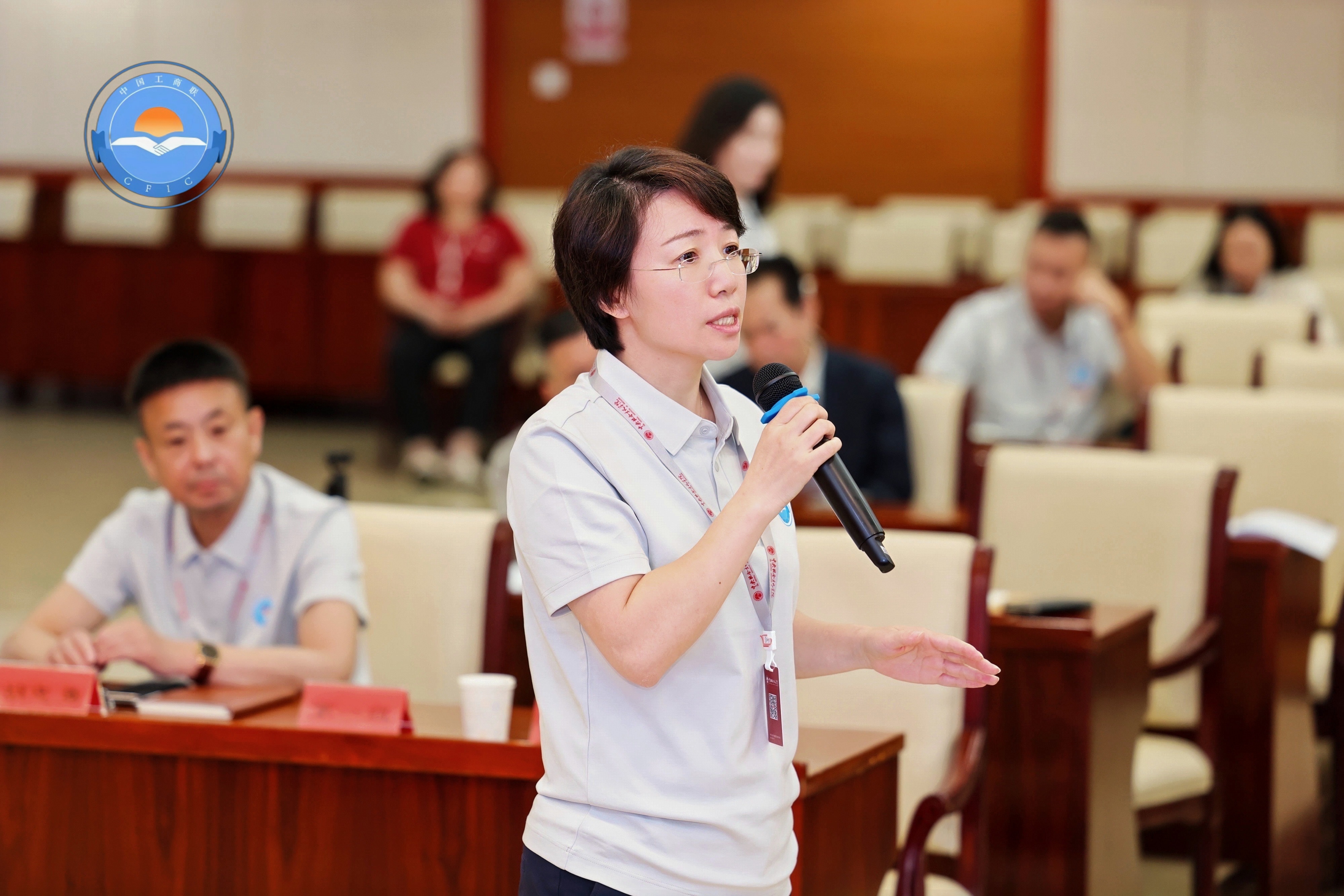
This training course, with its brand-new teaching staff and superior services, not only expanded the circle of friends of the chamber of commerce presidents and the circle of talent unity, but also demonstrated deeper influence and stronger cohesion. The trainees generally reflected that the training content was well-structured, both vertically and practically, and was highly targeted, forward-looking, instructive and practical. Everyone expressed that they would effectively transform the learning outcomes into concrete actions to standardize the operation of the chamber of commerce and serve member enterprises. With the sense of responsibility of "strengthening the country through talent, I take action", they will benchmark against the construction standards of "Four Good Chambers of Commerce", and continue to make efforts in improving internal governance, strengthening the leading role of Party building, and enhancing service efficiency, so as to write the wisdom and strength of "Chamber of commerce talents" in promoting the high-quality development of the private economy.
Liu Jing stated that through systematic research and study, her vision and perspective have been further broadened, and her understanding of the united front work for the private economy and the empowerment of the real economy by chambers of commerce has been deepened. Taking this training as an opportunity, the Beijing Future Entrepreneurs Promotion Association and the Women Entrepreneurs Association of Fengtai District, Beijing will continue to strengthen the construction of their talent teams, improve the platforms for learning and exchange as well as industrial connection, expand cross-regional cooperation among member enterprises, and continuously enhance the cohesion, service capacity and influence of the associations.

010-63831545
From Monday to Friday 8:30-17:30
keyuebio@keyuebio.com
3rd Floor, Block A, No. 18, Wangyuan Road, Fengtai District, Beijing