



There is no need to worry too much about COVID-19
Since the implementation of the Class B management for COVID-19 infection, it has become a common and frequently-occurring respiratory infectious disease. Every year, there are 1 to 2 fluctuations in the epidemic situation in China. The current rise in the epidemic is still a cyclical fluctuation, with an intensity comparable to that of the previous two years. The severity of the disease has not changed. It is mainly characterized by mild infections. Elderly people and those with chronic underlying diseases remain high-risk groups for severe cases, and specific treatment drugs are effective. No major public health risk variants were detected through monitoring, nor was any significant impact of epidemic fluctuations on the overall medical order found.
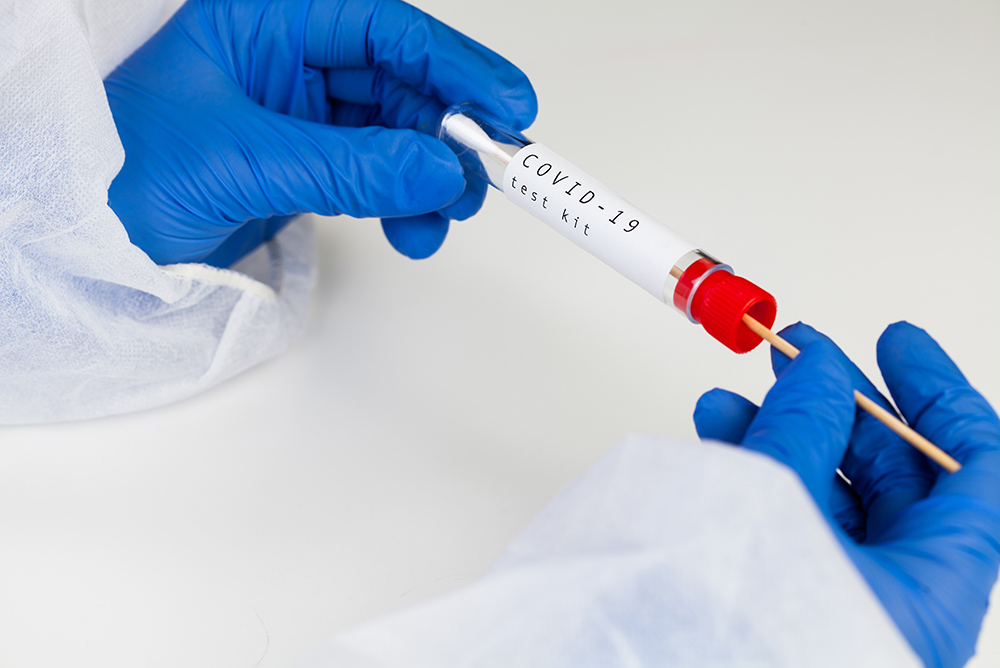
Early diagnosis and early medication
Respiratory tract infections cannot be simply treated as a common cold. Blood routine tests and rapid antigen/nucleic acid tests should be completed within 24 to 48 hours of onset to quickly identify the type of infection, achieve precise treatment, shorten the course of the disease, avoid the abuse of antibiotics, and prevent mild cases from developing into severe pneumonia.
How to deal with infection scientifically? For the general population with mild symptoms, the first step should be to start medication as early as possible. Secondly, pay attention to rest at home and ensure adequate sleep. Do not stay up late or engage in strenuous exercise. In daily diet, keep it light and avoid raw, cold, spicy and greasy foods. Drink warm water in small amounts frequently.
The elderly, those with chronic underlying diseases and other special groups remain at high risk of developing severe cases. High-risk groups should minimize visits to enclosed public places, wear masks properly, and seek medical attention promptly if they experience persistent high fever, chest tightness, shortness of breath, or listlessness. Do not endure it stubbornly.
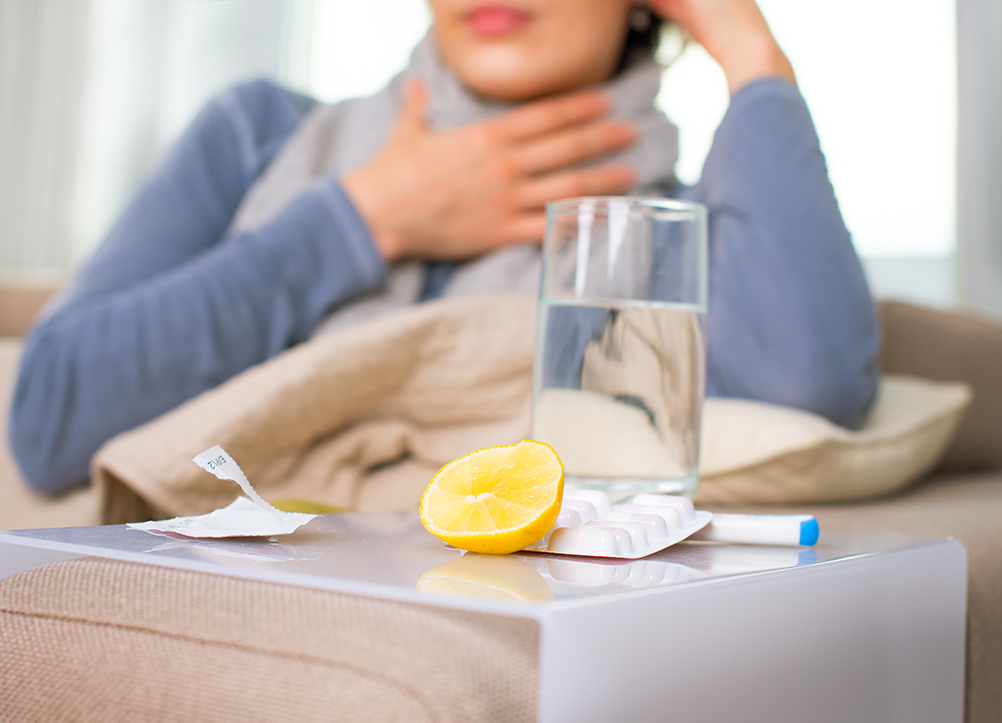
Pay attention to personal protection
(1) Wear masks scientifically: Masks must be worn throughout the medical treatment process. It is recommended to wear masks in crowded places or when taking public transportation such as planes, trains, and subways, especially for the elderly and those with chronic underlying diseases, to reduce the risk of infection.
(2) Maintain good hygiene habits: When coughing or sneezing, cover your mouth and nose with a tissue, towel or your elbow. Pay attention to hand hygiene and avoid touching your eyes, nose and mouth with unclean hands to reduce the risk of pathogen transmission.
(3) Advocate a healthy lifestyle: Maintain a balanced diet, engage in moderate exercise and get sufficient rest to enhance the body's immunity. When experiencing symptoms such as fever, cough or other respiratory infections, wear a mask when in contact with others and ensure good ventilation in the room. Seek medical attention promptly as needed.
(4) Actively and proactively get vaccinated: People with weakened immunity (such as pregnant women, young children, the elderly, and patients with chronic diseases, etc.) should receive relevant vaccines for the prevention of respiratory infectious diseases in accordance with the vaccination guidelines.
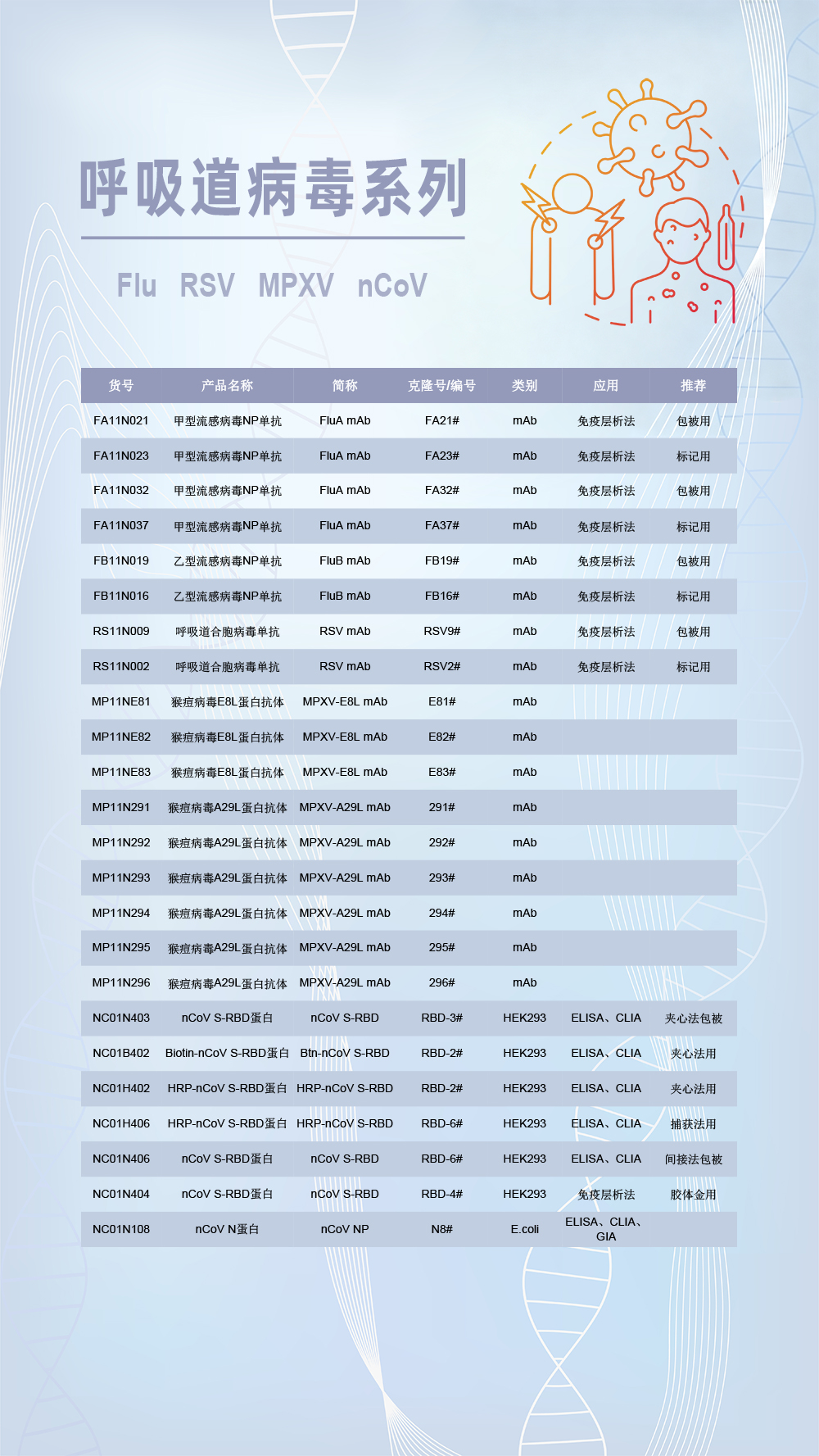
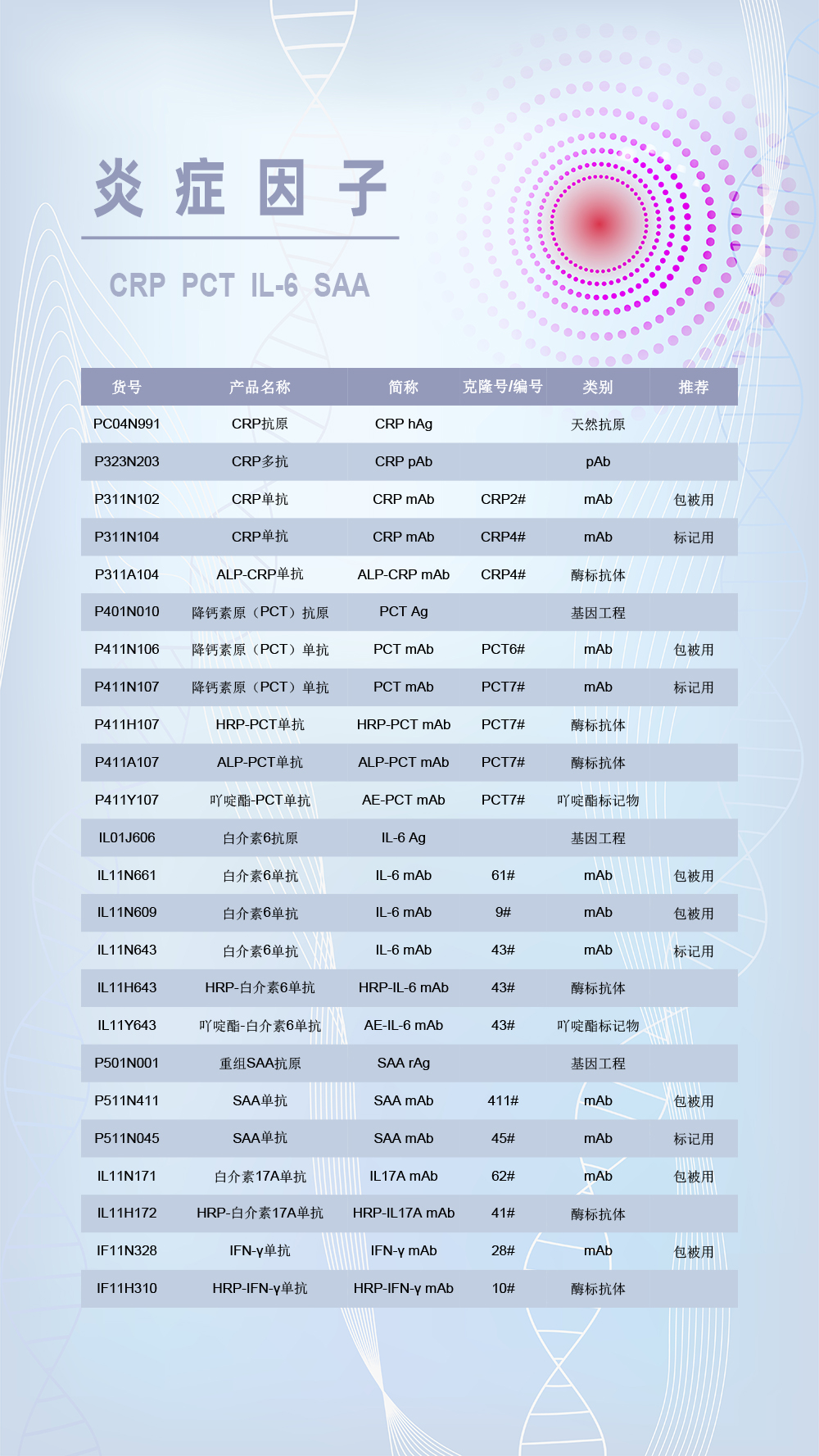
KEY-BIO's respiratory virus series and high-quality raw materials for inflammatory factors
KEY-BIO's respiratory virus series and inflammatory factor series of detection reagents use high-quality raw materials for antigens and antibodies. Based on the absorption of advanced technologies and processes at home and abroad, and with years of practical experience, they feature high sensitivity, good specificity, and strong stability, and are suitable for detection platforms such as immunochromatography and chemiluminescence. Raw materials help produce high-quality and efficient respiratory tract testing reagents, providing strong support for the rapid identification of common respiratory pathogens such as COVID-19, influenza, syncytial virus, and bacteria in clinical and home testing, and assisting patients in precise diagnosis, targeted treatment, and early recovery.

010-63831545
From Monday to Friday 8:30-17:30
keyuebio@keyuebio.com
3rd Floor, Block A, No. 18, Wangyuan Road, Fengtai District, Beijing